Applications

Buyable consulting offers for immediate engineering decisions, each with clear scope, deliverables, and required inputs.

Battery Crash/Drop Readiness

De-risk pack architecture against crash, drop, and abuse loading before costly hardware iterations.
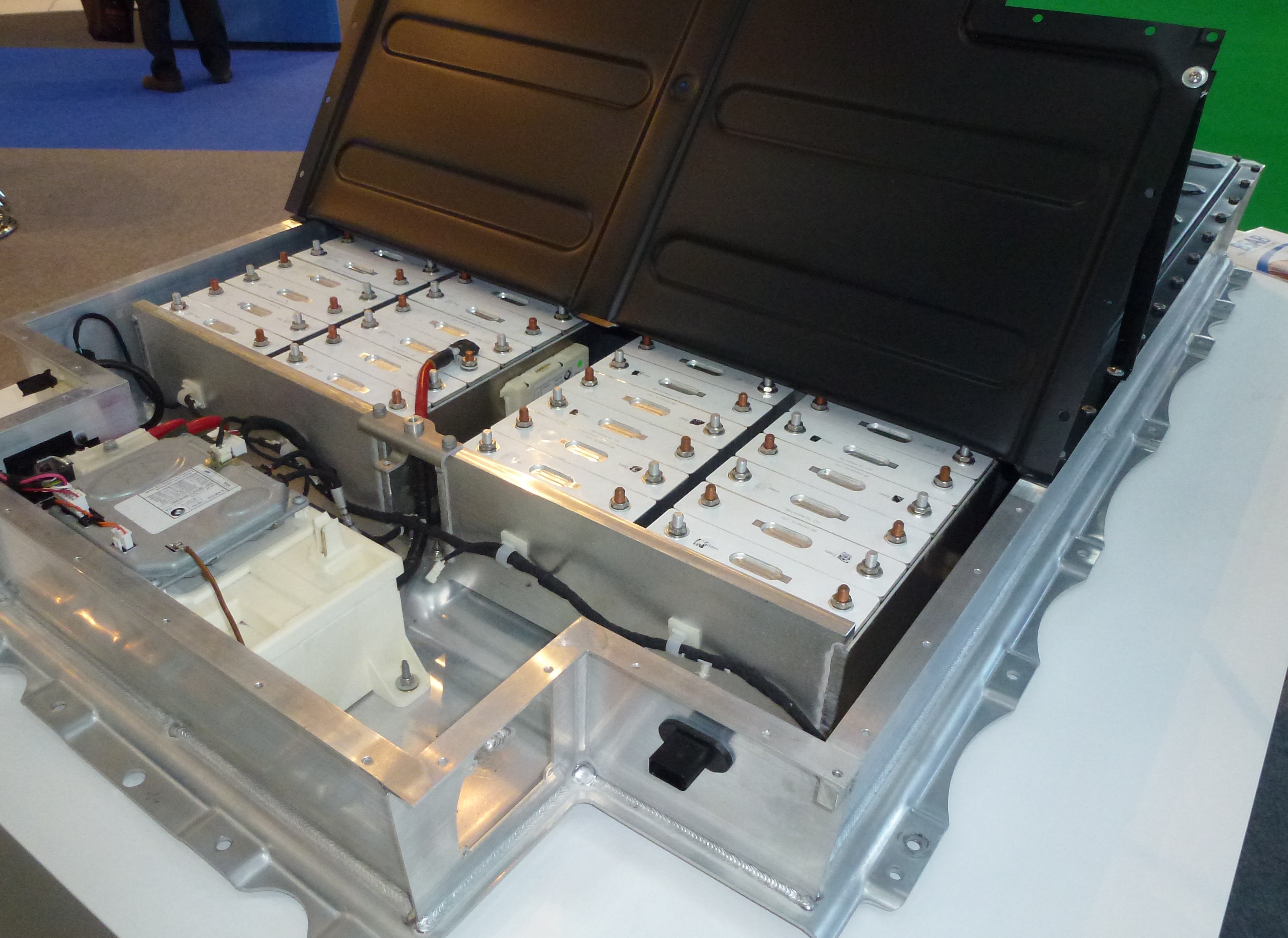
Battery Crash/Drop Readiness representative visual

When to use

Use when your battery enclosure, mounting strategy, or module protection concept is still evolving and validation risk is high.

What we do

  • Load-case definition for crash, drop, and shock scenarios
  • Structural response analysis for pack, module, and interface regions
  • Critical failure-path identification and design recommendations
  • Test-aligned simulation setup for faster correlation cycles

Typical timeline

2-4 weeks for scoped work packages

What you receive

  • Risk-ranked load-case matrix
  • Model package with documented assumptions
  • Design change recommendations with trade-offs
  • Decision memo for management and test teams

Inputs needed

  • CAD or envelope geometry
  • Material assumptions or available test data
  • Target load cases and boundary conditions
  • Program phase and decision deadlines
Battery Thermal Safety

Assess thermal risk pathways and improve cooling strategy for safer, test-ready battery designs.

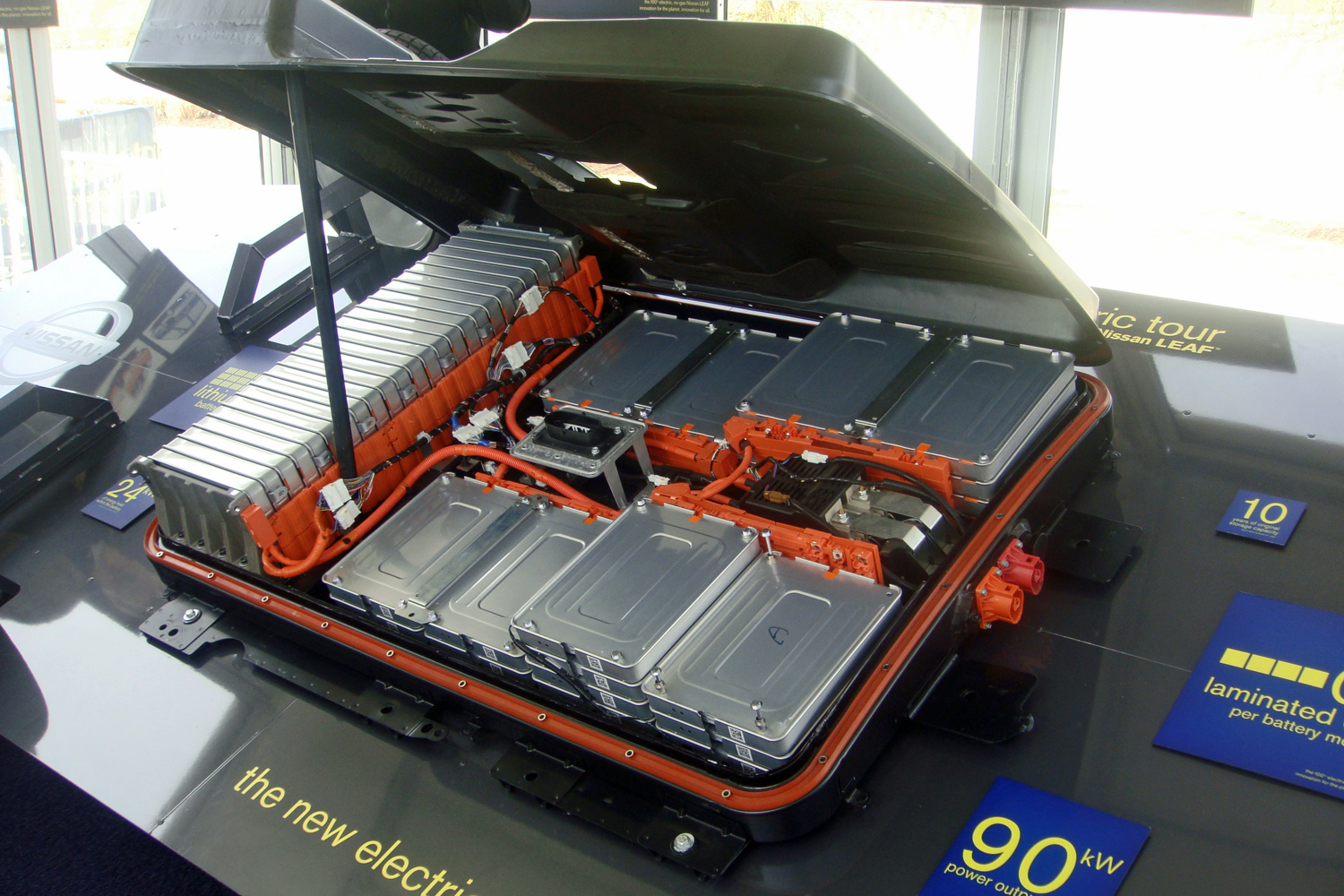
Battery Thermal Safety representative visual

When to use

Use when temperature uniformity, hotspot risk, or thermal runaway concerns are influencing architecture decisions.

What we do

  • Thermal boundary setup and operating envelope definition
  • Temperature distribution and hotspot mapping
  • Cooling path effectiveness studies
  • Thermal risk prioritization for design and test

Typical timeline

2-5 weeks depending on model maturity

What you receive

  • Thermal risk map and scenario summary
  • Cooling concept comparison report
  • Validation-oriented assumptions register
  • Action list for next design/test cycle

Inputs needed

  • Cell/module heat assumptions
  • Pack layout and cooling concept data
  • Operating and ambient boundary ranges
  • Test intent and acceptance criteria

Crash Loadpath & Energy Absorption

Improve structural load paths and energy absorption behavior for safer lightweight designs.

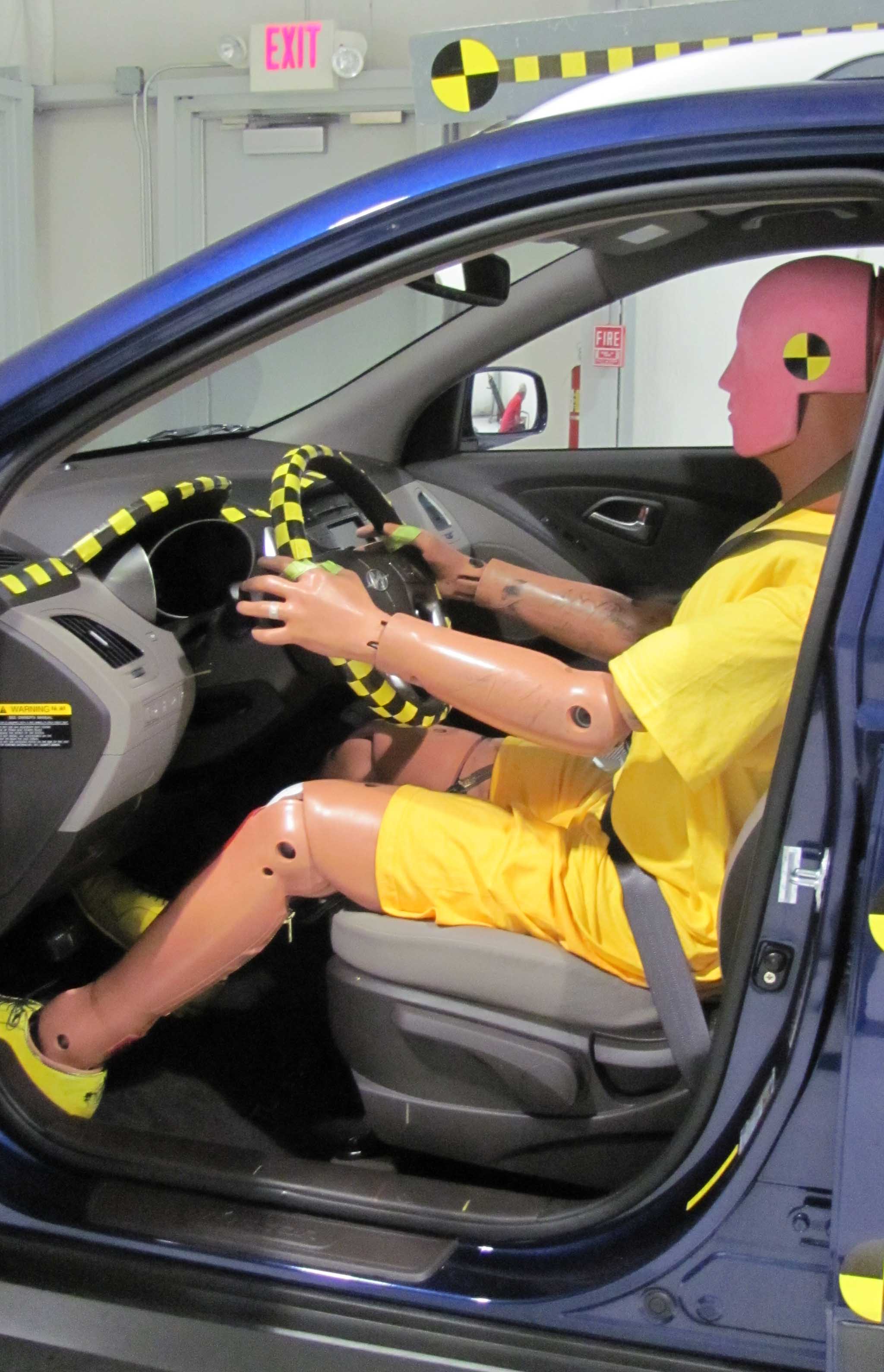
Crash Loadpath & Energy Absorption representative visual

When to use

Use when crash performance, packaging constraints, and mass targets compete in the same design window.

What we do

  • Impact load-path interpretation and weak-link mapping
  • Energy absorption and deformation mode assessment
  • Targeted concept comparisons for reinforcement strategy
  • Design-to-test alignment for crash programs

Typical timeline

3-6 weeks for multi-concept studies

What you receive

  • Load-path and deformation behavior report
  • Prioritized concept options with rationale
  • Simulation evidence package for design reviews
  • Executive-ready decision brief

Inputs needed

  • Geometry variants and interface constraints
  • Material model assumptions
  • Impact conditions and program targets
  • Mass or packaging constraints

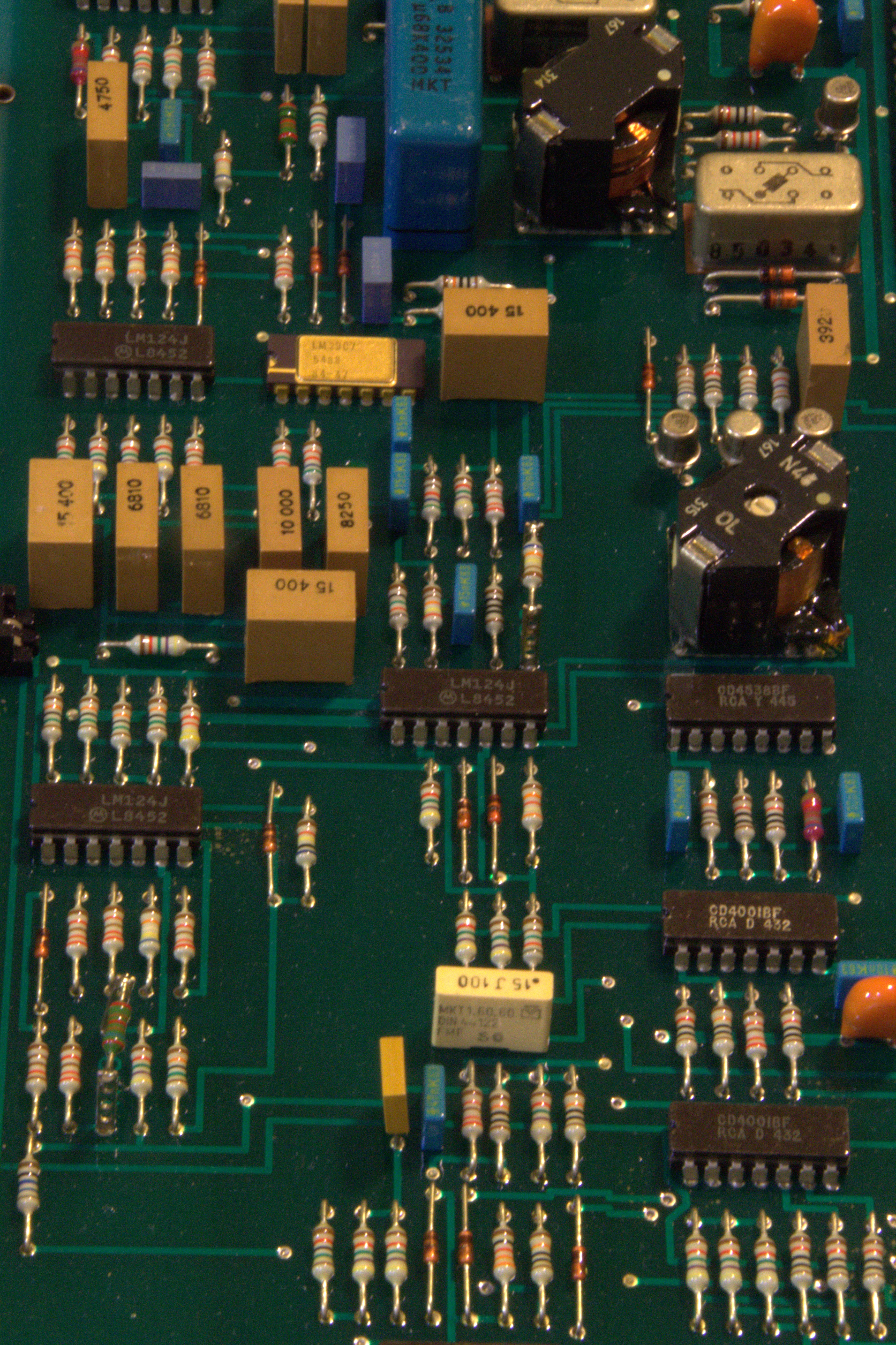
Electronics Thermo-Mechanical Reliability

Reduce late-stage reliability risk in electronics by coupling thermal and structural insights early.

Electronics Thermo-Mechanical Reliability representative visual

When to use

Use when solder fatigue, thermal cycling, or package stress may drive field reliability concerns.

What we do

  • Thermal cycling and stress concentration evaluation
  • Reliability hotspot identification on critical interconnects
  • Package-level thermo-mechanical sensitivity studies
  • Guidance for correlation with reliability testing

Typical timeline

2-4 weeks for focused reliability questions

What you receive

  • Reliability risk map for critical regions
  • Scenario comparison report
  • Assumption and uncertainty log
  • Recommended design/test actions

Inputs needed

  • Component/package geometry or equivalent abstraction
  • Thermal profile and mission assumptions
  • Material properties and known constraints
  • Reliability target criteria

Material/Composite Model Development

Build practical constitutive models and usage guidance for trustworthy simulation decisions.

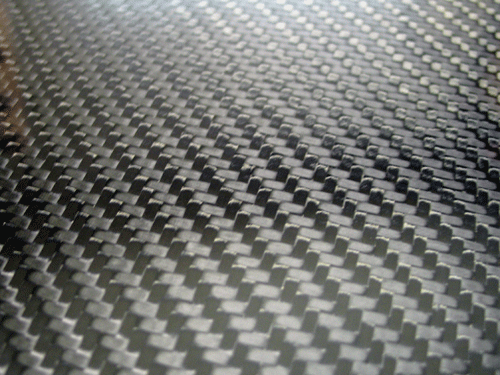
Material/Composite Model Development representative visual

When to use

Use when material behavior uncertainty limits confidence in crash, durability, or thermal-structural predictions.

What we do

  • Model strategy selection for intended physics
  • Parameter calibration workflow design
  • Failure initiation/propagation representation strategy
  • Model verification and practical usage guidance

Typical timeline

3-8 weeks based on data readiness

What you receive

  • Material model definition package
  • Calibration and validation documentation
  • Solver setup notes and best-practice guardrails
  • Handover briefing for internal analysts

Inputs needed

  • Available test datasets or expected test plan
  • Target solver and application context
  • Required fidelity and turnaround expectations
  • Design decisions dependent on the model

Need a tailored scope?

Choose focused packages for immediate engineering decisions, or combine packages for full design-to-validation support.

Request a Scoped Proposal